
Get Hvac Replacement
HVAC replacement services help property owners upgrade or replace outdated or malfunctioning heating and cooling systems through experienced local contractors.
If you're considering replacing your HVAC system, you're in the right place to explore your options. Upgrading or replacing your heating and cooling equipment can improve energy efficiency, enhance indoor comfort, and provide long-term reliability for your property. Property owners in the area often seek out professional HVAC replacement services to ensure the work is done properly and to meet the specific needs of their space. Continuing to read can help you understand the benefits of working with experienced local contractors who specialize in these projects.
Comparing local service providers can help you find the right solution for your property’s unique requirements. Whether you're planning a major upgrade or simply need guidance on the best options available, connecting with qualified HVAC contractors in the area can make the process smoother. Keep reading to learn more about how local professionals can assist in planning and executing your HVAC replacement project effectively.
- HVAC Replacement - when an aging or inefficient system no longer provides adequate heating or cooling.
- Air Conditioner Replacement - during extreme heat when existing units struggle to keep indoor spaces comfortable.
- Furnace Replacement - in colder months when a furnace fails to heat a home effectively or shows signs of frequent breakdowns.
- Heat Pump Replacement - when a heat pump no longer operates efficiently or cannot meet heating and cooling demands.
- Whole-Home HVAC System Upgrade - when upgrading to a modern system for improved energy efficiency and indoor comfort.
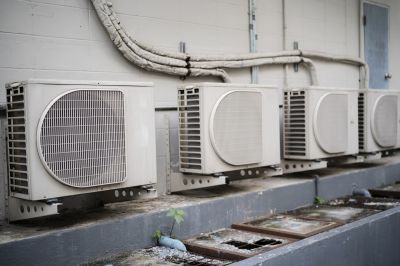
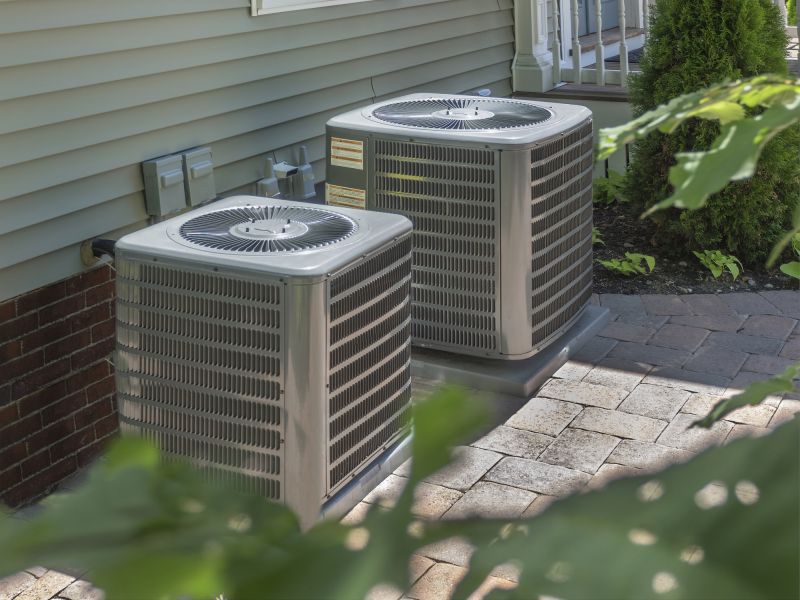
Hvac Replacement services involve removing an outdated or malfunctioning heating, ventilation, and air conditioning system and installing a new, more efficient unit. This process typically includes assessing the current system, selecting a suitable replacement that meets the property’s needs, and properly installing the new equipment to ensure optimal performance. These services are essential for maintaining a comfortable indoor environment, especially when existing systems become unreliable or no longer operate efficiently.
Many problems can signal the need for an HVAC replacement. These include frequent breakdowns, rising energy bills, inconsistent heating or cooling, strange noises, or poor air quality. Over time, wear and tear can diminish a system’s efficiency, leading to higher operating costs and reduced comfort. Replacing an aging system can address these issues, providing more reliable climate control and potentially lowering energy consumption through newer, more efficient technology.
HVAC replacement services are commonly used in a variety of property types. Residential homes, especially older houses with outdated systems, often require replacement to improve comfort and reduce maintenance costs. Commercial properties, such as office buildings, retail spaces, and multi-family complexes, also benefit from modern HVAC systems designed for larger spaces and higher usage demands. Regardless of the property size or type, local contractors can help determine the best replacement options to meet specific heating and cooling needs.
Knowing when to consider an HVAC replacement can save homeowners and property managers from ongoing issues and escalating costs. If a system is over a decade old, frequently breaking down, or unable to effectively heat or cool the space, it may be time to explore replacement options. Contacting experienced local service providers can help evaluate the current system’s condition and recommend the most suitable, energy-efficient solutions to improve comfort and efficiency in any property.
The overview below groups typical Hvac Replacement projects into broad ranges so you can see how smaller, mid-sized, and larger jobs often compare in your area.
In many markets, a large share of routine jobs stays in the lower and middle ranges, while only a smaller percentage of projects moves into the highest bands when the work is more complex or site conditions are harder than average.
Smaller Repairs - typical costs range from $250-$600 for many routine repairs such as thermostat replacements or minor duct fixes. Most projects in this category tend to fall within the middle of this range, with fewer jobs reaching the higher end.
Partial System Upgrades - replacing components like a condenser or air handler usually costs between $1,500 and $3,500. These projects are common and often land in the lower to mid part of this range, though larger or more complex upgrades can go higher.
Full HVAC Replacement - a complete system replacement generally costs from $4,000 to $8,000, depending on the size and type of equipment. Many installations fall into the middle of this range, but larger or high-efficiency systems can push costs beyond $10,000.
Large or Complex Installations - extensive HVAC upgrades or multi-zone systems can exceed $10,000 and may reach $15,000 or more in some cases. Such projects are less common and typically involve additional work or custom features that increase costs.
Actual totals will depend on details like access to the work area, the scope of the project, and the materials selected, so use these as general starting points rather than exact figures.
Ductwork Installation - involves planning and installing ventilation systems, which shares skills used in HVAC replacement projects to ensure proper airflow and system efficiency.
Furnace Replacement - requires understanding of heating systems, tools, and planning similar to HVAC upgrades to ensure compatibility and optimal performance.
Air Conditioner Installation - involves electrical connections and system setup that align with the skills needed for comprehensive HVAC replacements.
Thermostat Upgrades - includes planning and installing control systems, which complements the work involved in replacing and upgrading HVAC units.
Ventilation System Renovation - focuses on improving air circulation, requiring similar planning, ductwork knowledge, and installation skills as HVAC replacement projects.
Boiler Replacement - involves handling complex heating systems, which shares technical skills and planning processes with HVAC system replacements.
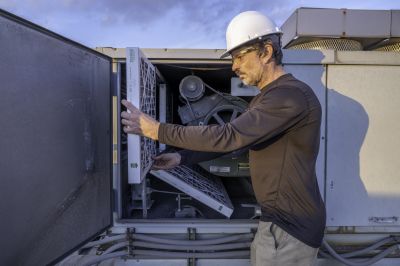
When evaluating HVAC replacement service providers, it’s important to consider their experience with similar projects. Homeowners should look for local contractors who have a proven track record in handling replacements comparable to the scope and complexity of the job at hand. An experienced professional is more likely to understand the nuances of different systems and provide insights that can help ensure the installation is performed efficiently and effectively, reducing the risk of issues down the line.
Clear, written expectations are essential when comparing local HVAC contractors. Homeowners should seek providers who can offer detailed descriptions of their services, including the scope of work, materials to be used, and any warranties or guarantees. Having this information in writing helps prevent misunderstandings and provides a basis for comparison between different service providers, making it easier to select a contractor who aligns with the homeowner’s needs and expectations.
Reputable references and good communication are key indicators of a reliable HVAC replacement contractor. Homeowners are encouraged to ask local service providers for references from previous clients who had similar projects completed. Additionally, a contractor’s responsiveness and clarity in communication can reveal how well they will manage the project and address questions or concerns. While this site introduces homeowners to local options, it is important to note that the platform itself does not perform the work; rather, it helps connect homeowners with qualified local contractors who can handle the job professionally.
Property owners use Hvac Replacement services for practical projects around their homes and businesses. This guide focuses on everyday jobs and straightforward project options.
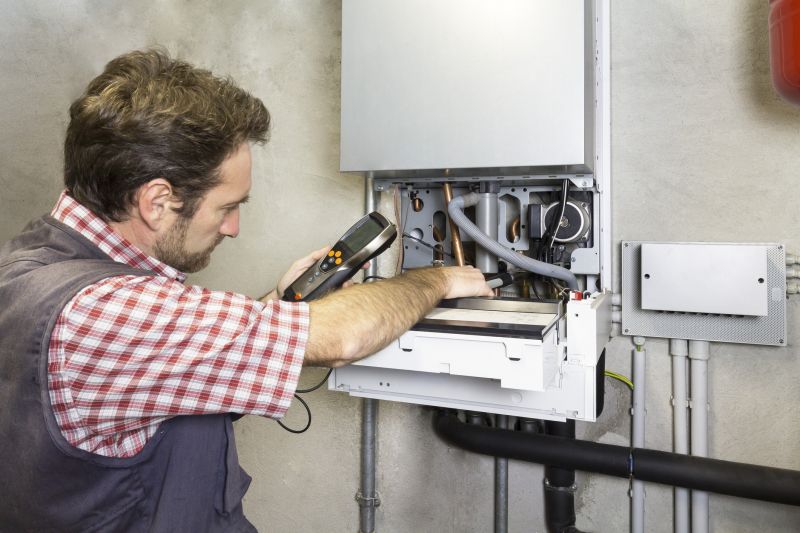
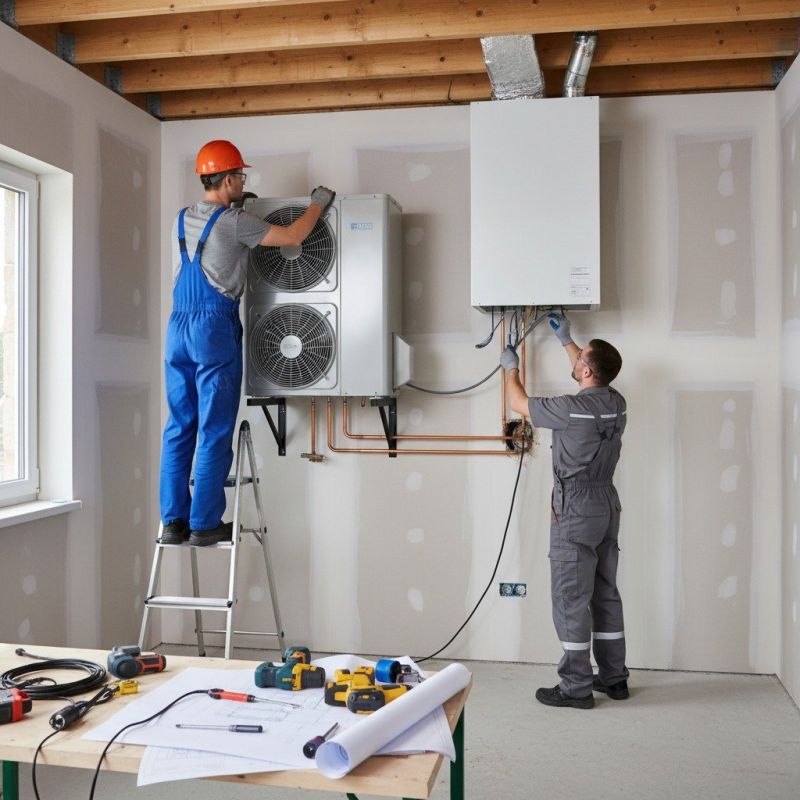
Hvac replacement services are often needed when property owners notice their heating or cooling systems are no longer functioning efficiently, leading to increased energy bills or inconsistent temperatures. In some cases, older units may break down frequently, prompting residents or business owners to seek out local contractors who can provide reliable and effective replacements to restore comfort and reduce ongoing maintenance costs.
Other common reasons for seeking hvac replacement include upgrading outdated systems to improve energy efficiency or complying with newer building standards. Property owners may also consider replacement after experiencing system failures during extreme weather conditions or when existing units reach the end of their operational lifespan. Local service providers are available to assess specific needs and recommend suitable solutions tailored to each property’s requirements.
What are signs that an HVAC system needs replacement? Indicators include frequent breakdowns, inconsistent heating or cooling, rising energy bills, and unusual noises from the system.
How do I choose the right HVAC replacement contractor? Consider local service providers with positive reviews, experience in the industry, and the ability to assess your specific needs.
What types of HVAC systems are available for replacement? Options include central air conditioning, furnaces, heat pumps, and ductless mini-split systems, among others.
Can replacing an HVAC system improve energy efficiency? Yes, newer systems often operate more efficiently, which can lead to reduced energy consumption and better performance.
What should I expect during an HVAC replacement service? The process typically involves removing the old equipment, preparing the installation site, and installing the new system with proper setup and testing by local contractors.
Upgrade HVAC System - Property owners can explore replacing an aging or inefficient HVAC system to improve overall comfort and energy efficiency in their home or business.
Improve Indoor Air Quality - Replacing an outdated HVAC unit can help enhance air circulation and filtration, creating a healthier indoor environment.
Prepare for Seasonal Changes - Planning a system replacement before peak heating or cooling seasons ensures reliable climate control when it’s needed most.
Modernize Home Comfort - Upgrading to a newer HVAC system can provide more consistent temperature regulation and reduce unexpected breakdowns.
If you are thinking about Hvac Replacement for a property, this guide is meant to help you understand the work, the typical project types, and how different options might fit your plans.
When you are ready, you can use the quote form on this page to share a few details about your project. From there, local pros can review the basics and respond with options that match what you have in mind.